
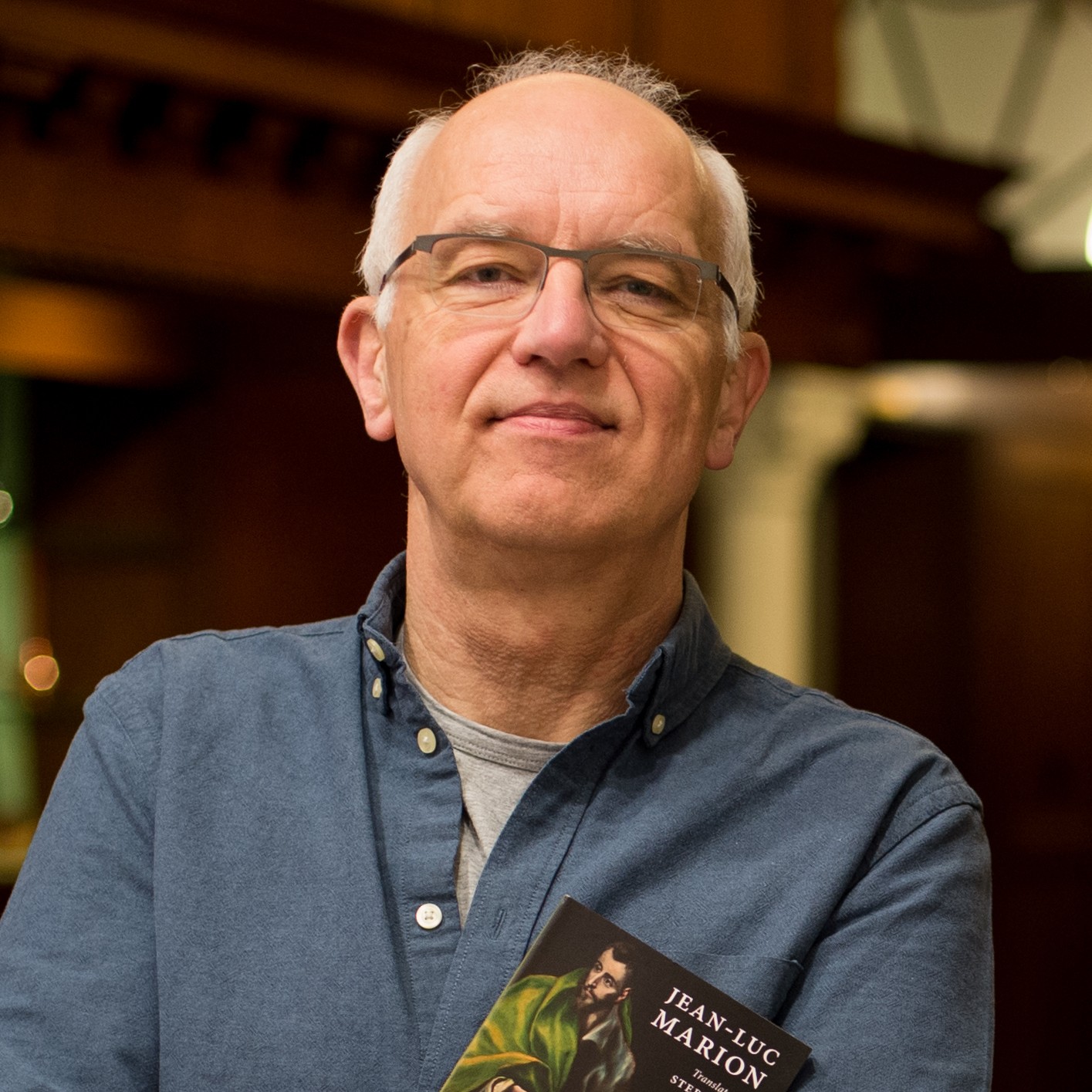
Professor Gert Biesta
Professor of Public Education
Centre for Public Education and Pedagogy
Maynooth University, National University of Ireland Maynooth

Professor Kristján Kristjánsson
Deputy Director of the Jubilee Centre for Character and Virtues
School of Education, University of Birmingham, United Kingdom
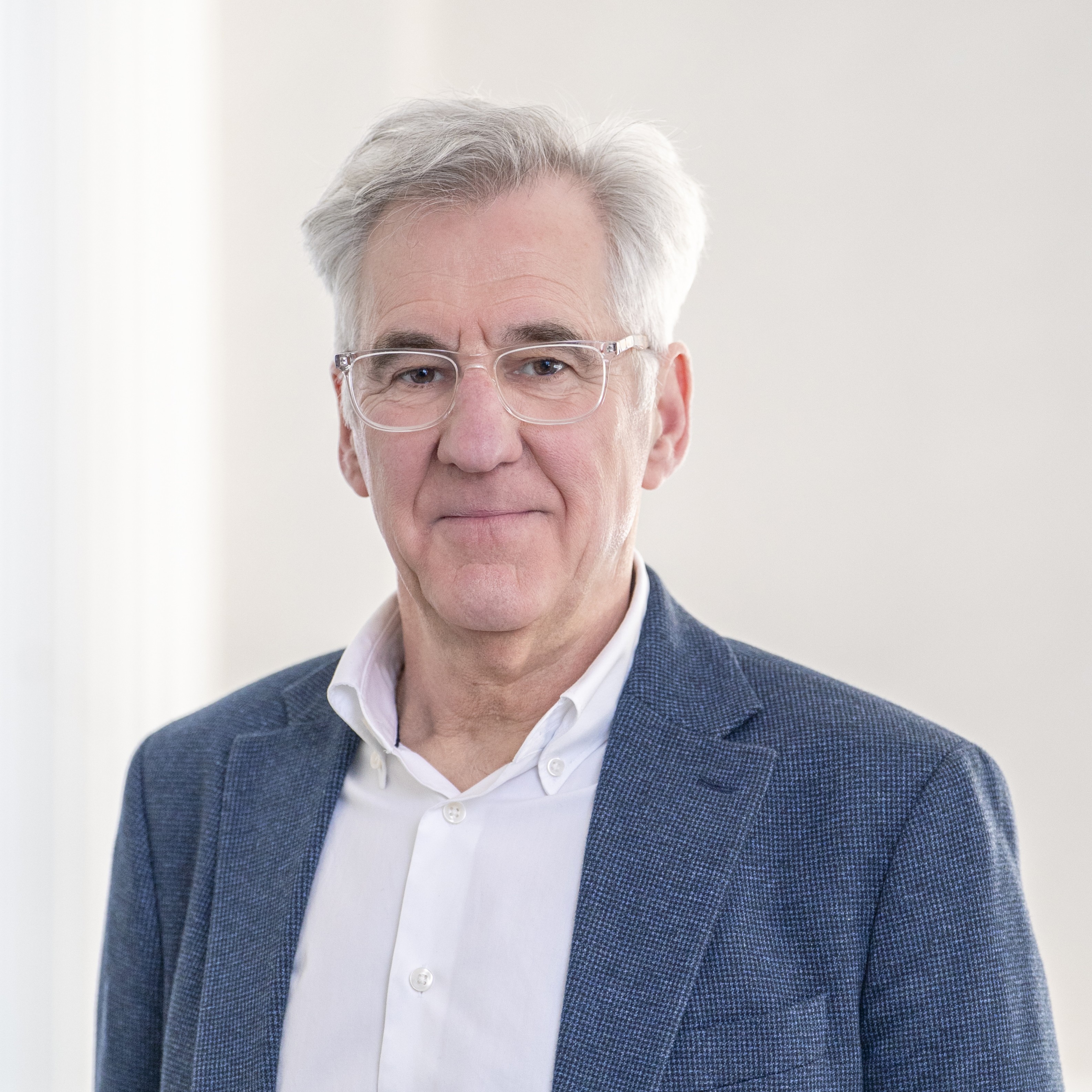
Professor Martin Knapp
Professor of Health and Social Care Policy
Professorial Research Fellow (CPEC), Department of Health Policy
The London School of Economics and Political Science, United Kingdom
Professor Setoh Peipei
Professor of Psychology, School of Social Sciences, Nanyang Technological University
Senior Principal Scientist III, Institute for Human Development and Potential, Agency for Science, Technology and Research
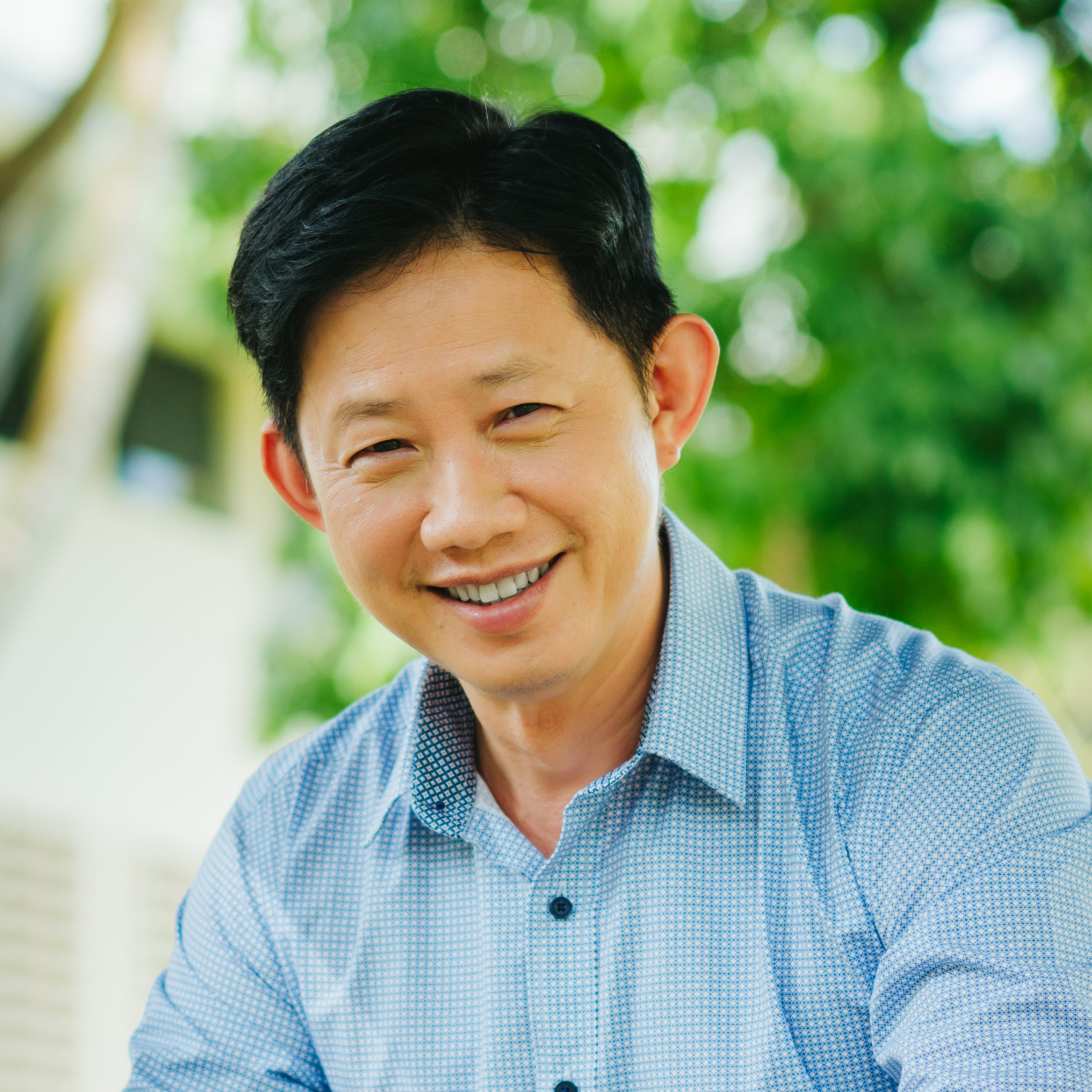
Associate Professor Tan Seng Chee
Associate Vice Provost (Education Transformation), Nanyang Technological University
Provost's Chair in Education, National Institute of Education, Nanyang Technological University, Singapore
Professor Martin Knapp
Professor of Health and Social Care Policy
Professorial Research Fellow (CPEC), Department of Health Policy
The London School of Economics and Political Science, United Kingdom
Martin Knapp is Professor of Health and Social Care Policy at the London School of Economics and Political Science (LSE), based in the Health Policy Department. He is also a Professorial Research Fellow in the Care Policy and Evaluation Centre (CPEC; formerly PSSRU) at the LSE. Since 2023, Martin has been Programme Director for the Research Programme for Social Care, part of the National Institute for Health Research (NIHR) in England. From 2009 until 2024, he was also Director of the NIHR of the School for Social Care Research. Martin's main research interests are in the areas of social care (often called long-term care), child and adult mental health, dementia and neurodiversity. Much of his work uses economic arguments and evidence to inform policy discussion and influence practice development. His research has had wide-ranging impacts on policy and practice in a number of fields.
Keynote Topic
Research Impact
Keynote Title
Research impact – how to achieve it and why it matters
Keynote Abstract
What do we mean by ‘research impact’? Why do we want it? And how do we achieve it – i.e., how do we ensure that high-quality education research is translated into appropriate education delivery? Professor Knapp’s presentation will draw on international experience, including work by the Organisation for Economic Co-operation and Development (OECD), on how to strengthen the impact of education research. He will also share experience from his own work on research impact, particularly on how educational settings can respond to student needs linked to mental illness and neurodiversity. This will include looking at how economic insights from research can both strengthen the case for policy and practice action, and support implementation.
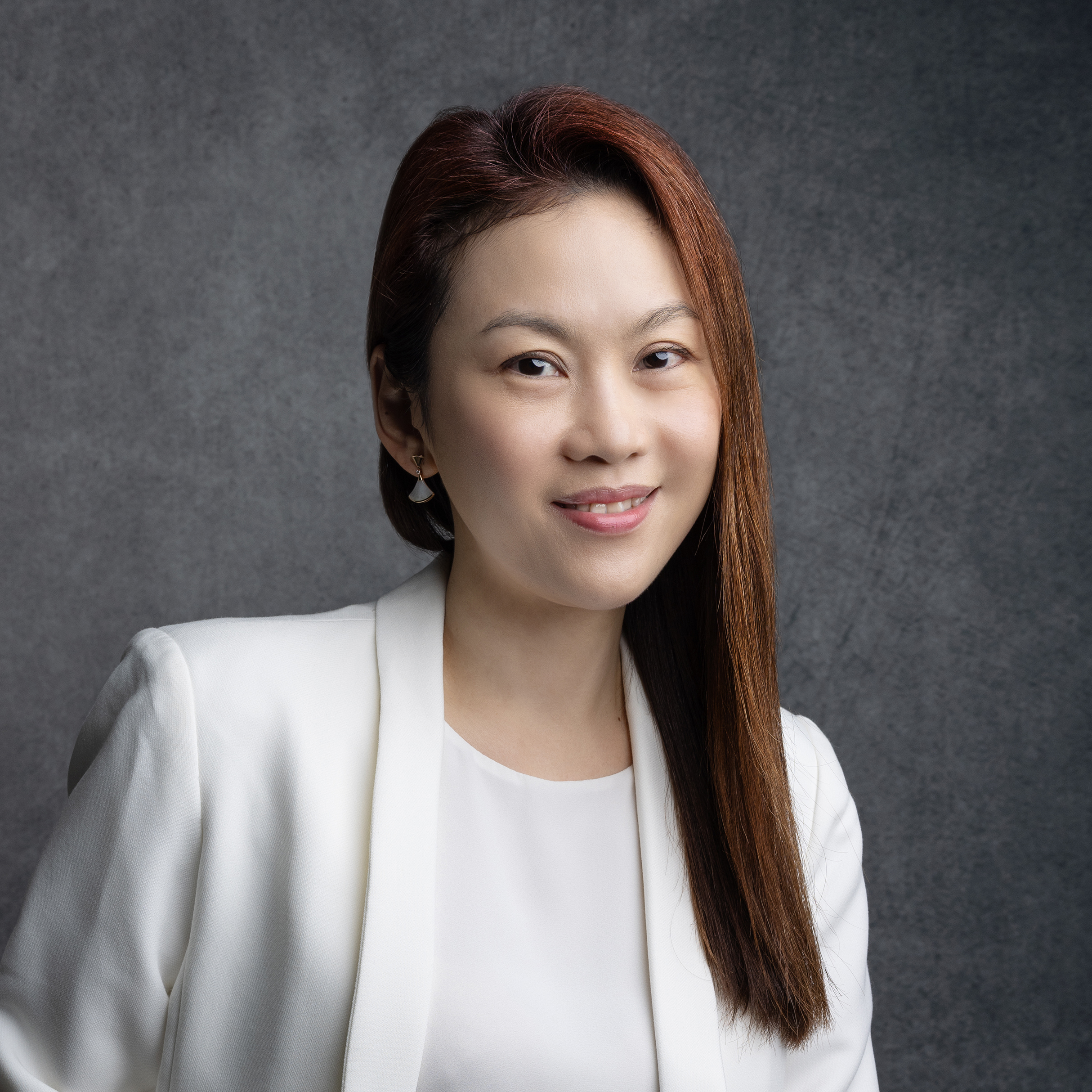
Professor Shirley Ho
Associate Vice President (Humanities, Social Sciences & Research Communication), President’s Office, Nanyang Technological University
President's Chair Professor in Communication Studies, Nanyang Technological University
Professor, Wee Kim Wee School of Communication and Information, Nanyang Technological University
Professor Shirley Ho is Associate Vice President (Humanities, Social Sciences & Research Communication) in the President’s Office at Nanyang Technological University (NTU), Singapore. She is also the President’s Chair Professor in Communication Studies in the Wee Kim Wee School of Communication and Information at NTU. Prof Ho is an elected fellow of the International Communication Association for her distinguished scholarly contributions to the field of communication. She is the recipient of the Hillier Krieghbaum Under-40 Award, conferred by the Association for Education in Journalism and Mass Communication for outstanding achievements in research, teaching, and public service.
Her interdisciplinary research focuses on cross-cultural public opinion dynamics related to science and technology, with potential health or environmental impacts. Her research is instrumental in understanding how human values, media, and other advanced modes of communication shape public attitudes toward emerging science and technologies. Notably, her works were among the first to recognize the importance of heuristic cues or information shortcuts when it comes to how the public make decisions about emerging science and technology.
Prof Ho’s research has been funded by numerous large competitive grants in Singapore, such as the National Research Foundation, AI Singapore, the Ministry of Health, ETH Swiss Federal Institute of Technology Zurich, and the Ministry of Education. She has given numerous keynote talks and plenary speeches at institutions such as Harvard University, the Massachusetts Institute of Technology, and Tsinghua University. Prof Ho has served on expert panels for the US National Academy of Science, Engineering, and Medicine, the World Health Organization, and other professional bodies.
Keynote Topic
Research Communications
Keynote Title
Coming Soon
Keynote Abstract
Coming Soon
Professor Kristján Kristjánsson
Professor of Character Education and Virtue Ethics
Deputy Director of the Jubilee Centre for Character and Virtues
School of Education, University of Birmingham, United Kingdom
Professor Kristján Kristjánsson's research orientation can best be summed up as that of Aristotle-inspired philosophical scrutiny of theories in educational psychology and values education, with special emphasis on the notions of character and virtuous emotions. He has written extensively on themes in general education, moral education, educational psychology, moral philosophy and political philosophy, and sees himself essentially as a bridge-builder between philosophy and social science.
Kristjánsson is the author of Social Freedom: The Responsibility View (C.U.P., 2006), Justifying Emotions: Pride and Jealousy (Routledge, 2002), Justice and Desert-Based Emotions (Ashgate, 2006), Aristotle, Emotions and Education (Ashgate, 2007), The Self and Its Emotions (C.U.P., 2010), Virtues and Vices in Positive Psychology (C.U.P., 2013) and Aristotelian Character Education (Routledge, 2015), the last of which was voted the best research monograph in Education in 2015 by the British Society of Education Studies. Kristjánsson has published over 100 articles in international journals and has recently taken over as editor of Journal of Moral Education.
He has been a Visiting Fellow at Cornell University, University of Konstanz, St. Edmund’s College (Cambridge University) and Institute of Education (University of London). In 1997, he was elected the Young Humanities Scholar of the Year by the Icelandic Council of Science, and in 2011 he was presented with the Ása Guðmundsdóttir Wright Award, the most prestigious scholarly award given annually to an Icelandic academic across the Sciences and Humanities.
Keynote Topic
Human Flourishing
Keynote Title
The Flourishing Bandwagon in Education: From 2020 Onwards
Keynote Abstract
In this presentation, I chart the history of the bandwagon to promote flourishing as the overall aim of education that took off around 2020, motivated by a desire on behalf of OECD (the international policy-maker which organises the regular PISA-tests) to abandon the Human Capital Theory from the 1970s and replace it with a flourishing paradigm - which would then be measured as part of their international testing. The presentation, which applies a wide lens and is aimed specifically at giving a general, critical overview of recent developments in theory and policy, explains the Aristotelian provenance of the flourishing construct and how various recent models of flourishing incorporate Aristotelian elements while also venturing beyond them. I explore synergies between various modern accounts but also delve into the difficulties accompanying the attempt to reconcile and synergise them in an international context. Each model has its own strengths and weaknesses, but the challenge is to combine and operationalise them into an account that is both theoretically credible and practically feasible across the world. I end by mentioning some objections to the construct of flourishing and discussing some potential classroom applications of the recent flourishing paradigm.
Professor Gert Biesta
Professor of Public Education
Centre for Public Education and Pedagogy
Maynooth University, National University of Ireland Maynooth
Professor Gert Biesta is Professor of Public Education in the Centre for Public Education and Pedagogy at Maynooth University, Ireland, Visiting Professor at Western Norway University of Applied Sciences in Norway, and a Fellow of the British Academy. Until the summer of 2025, Professor of Educational Theory and Pedagogy at the Moray House School of Education and Sport of the University of Edinburgh. His research focuses on the theory of education and the theory and philosophy of educational and social research, with a keen interest in national and global education policy, curriculum, teaching and teacher education, democracy and citizenship education, religious education and education and the arts. He has published widely on these topics in articles, chapters and books. So far his work has appeared in 21 different languages. Since 2023 he is a member of the Educational Council of the Netherlands, the advisory body of the Dutch government and parliament. From September 2020 until December 2022, he was a member of the Scientific Curriculum Committee in the Netherlands, which was tasked with advising the government about the redevelopment of the curriculum for primary and secondary schools. He is co-editor of the Asia-Pacific Journal of Teacher Education, and associate editor of the journal Educational Theory.
Keynote Topic
Citizenship Education
Keynote Title
World-Centred Education: Time for a New Paradigm?
Keynote Abstract
In 2022 I published a book with the title World-Centred Education: A View of the Present. In the book I make the case that education should neither be curriculum-or knowledge-centred nor child- or student-centred. This is not because curricula and knowledge don’t matter or that we shouldn’t be concerned about the children and young people in our classrooms, but because they present one-sided options that are insufficient for education. The idea of world-centred education is partly meant to overcome the one-sidedness of existing options and keep in focus that as educators we bring students and the curriculum together in order to prepare the new generation for their life in the world. There are, however, two further ideas in the concept of world-centred education, one about the nature of educational questions and one about the relationship between human beings and the world around them, which are important in order to grasp what the idea of world-centred education really entails. More than only a different way of speaking about education’s orientation, this suggests that world-centred education may amount to a different educational paradigm. In my keynote presentation I will present and discuss the main components of world-centred education and I will highlight the ways in which the idea of world-centred education seeks to respond to the main challenges of our time. In doing so, I will also explain how world-centred education differs from prevailing educational paradigms.
Associate Professor Tan Seng Chee
Associate Vice Provost (Education Transformation), Nanyang Technological University
Provost's Chair in Education, National Institute of Education, Nanyang Technological University, Singapore
Dr Tan earned his Ph.D. in Instructional Systems from Pennsylvania State University in the U.S.A. He holds the prestigious Provost’s Chair in Education at the National Institute of Education, Nanyang Technological University, Singapore and is currently the Associate Vice Provost (Education Transformation) at Nanyang Technological University. Over his career, Dr. Tan has developed and taught a diverse array of over 20 courses, spanning from undergraduate to doctoral levels. He is also the author of university textbooks, including “Technology for Meaningful Learning” and “Teaching and Learning with Technology.” Dr. Tan has conducted workshops and delivered invited talks in numerous economies, including Australia, Canada, China, Dubai, India, Malaysia, Singapore, South Korea, Taiwan, and Vietnam. He has been working at the nexus of emerging technologies, pedagogical innovations and classroom impact. His research in education aims to push the boundaries of teaching and learning innovation, securing over S$6 million in competitive research grants. His investigative work includes innovative pedagogical applications with emerging technologies, such as computer-supported collaborative learning, artificial intelligence in education, immersive learning environments, learning analytics, eye-tracking glasses for teacher noticing, mobile peer tutoring, and knowledge building. Dr. Tan has shared his research findings extensively, including more than 78 journal articles, 62 conference proceedings, 40 scholarly book chapters, 5 scholarly books, and 28 keynote presentations to his credit.
In addition to his academic contributions, Dr. Tan has taken on various professional service roles, including serving as an editorial board member for journals such as Instructional Science and reviewing for Tier 1 journals like Computers & Education. He has been active on program and organizing committees for numerous international conferences. In Singapore, Dr. Tan has held several leadership positions, including Assistant Director in the Ministry of Education, Co-Director of the Centre for Research & Development in Learning, Associate Dean for Institutional Analytics and Research, and Associate Dean for the Office of Graduate Studies and Professional Learning.
Keynote Topic
AI in Education
Keynote Title
Navigating Opportunities and Ethical Imperatives: Transforming Education through Agentic AI
Keynote Abstract
This presentation examines the promises and tensions of integrating agentic AI into education. On one hand, these autonomous systems offer unprecedented potential to enable personalization, optimize instructional design, and deliver sophisticated assessment frameworks that actively augment the capabilities of both educators and learners. On the other hand, their integration creates tensions between pursuing technological efficiency and the risks of eroding human agency. To navigate this friction, the address outlines deliberate strategies for leveraging the potentials of AI while firmly keeping human agency at the center, including autonomy budgeting, scaffolding for learning before augmenting performance, and the "4Learn" framework: learning from, learning with, learning about, and learning beyond AI.
Professor Setoh Peipei
Professor of Psychology, School of Social Sciences, Nanyang Technological University
Senior Principal Scientist III, Institute for Human Development and Potential, Agency for Science, Technology and Research
Setoh Peipei is a Professor of Psychology at Nanyang Technological University and Senior Principal Scientist III at A*STAR’s Institute for Human Development and Potential. She is also the Social Science Team Lead of the GUSTO cohort study. A developmental psychologist, her work examines how family and parenting processes shape children’s learning, well-being, and long term development, with the goal of informing educational practice, social policy, and interventions that help children and adolescents thrive.
She leads multiple nationally funded research programmes on parenting, parent–child interactions, social cognition, and positive youth development, including longitudinal research within the GUSTO cohort, and works closely with stakeholders to translate research into impact. Her research has been published in leading journals such as Proceedings of the National Academy of Sciences and Child Development, and featured by the BBC, The Straits Times, and Channel News Asia.
She currently leads research programmes funded by MOE and NUS Yong Loo Lin School of Medicine such as: Project Honesty; Social science research in the GUSTO adolescent cohort; Unlocking Potential: Family centred pathways to adolescent resilience and positive identity; Intergenerational bonding and filial piety in Singaporean families.
Keynote Topic
Well-being
Keynote Title
What If Every Child Could Succeed? Why Human Strengths Matter More Than Ever
Keynote Abstract
What would education look like if we believed that every child could succeed? In this keynote, we consider this question through a developmental lens, focusing on systems that reward, emphasize, and cultivate multifaceted human strengths.
The keynote reframes resilience as a property of environments and communities that provide psychological safety and credible chances. It examines how the signals that we send, through our metrics for success, can shape young people’s sense of curiosity, motivation, mental health, and willingness to engage with uncertainty. The talk highlights how families, classrooms, and broader educational systems can support children’s development by redefining success, identifying multifaceted strengths, developing social-emotional skills and character as an essential part of learning. Implications are drawn for assessment design, parent–child communication, and youth mental health strategies, with particular relevance to current discussions about artificial intelligence and 21st century competencies.